
July 4, 2026
Dental Implants vs. Dentures: Which Is Right for You?
Losing one or more teeth is more common than most people realize — and choosing how to replace them is one of the most important decisions you'll make for your long-term oral health. At our Plano dental practice, the two most common tooth replacement options patients ask about are dental implants and dentures. Both can restore your smile and your ability to chew comfortably, but they work very differently and suit different patients. Here's an honest, straightforward comparison to help you decide.
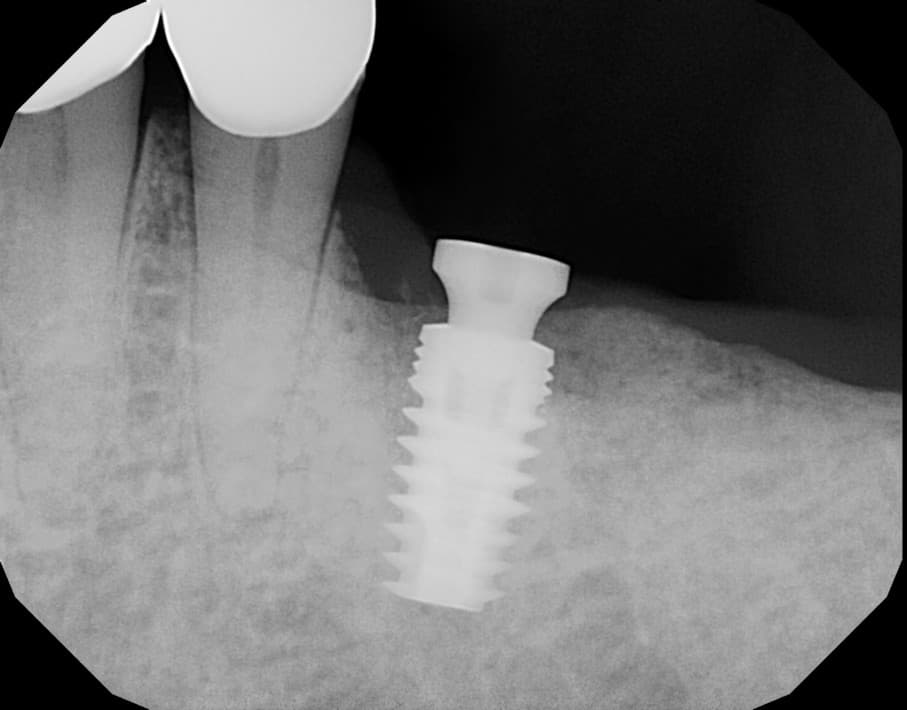
A dental implant is a small titanium post that's surgically placed into your jawbone, where it acts as a replacement tooth root. Once the implant fuses with the bone — a process called osseointegration — a custom crown is attached on top, creating a tooth that looks, feels, and functions just like a natural one. Implants can replace a single tooth, multiple teeth, or even a full arch with options like implant-supported dentures or All-on-4. Their advantages are hard to overstate: they look and feel completely natural, preserve jawbone density, never slip or require adhesives, don't affect neighboring teeth, and can last 20–30 years or more with proper care.
Dentures are removable prosthetic devices that replace missing teeth — full dentures replace an entire upper or lower arch, while partial dentures fill in gaps when some natural teeth remain. Modern dentures are far more comfortable and natural-looking than older generations, and they remain the most affordable tooth replacement option available. They require no surgery, have a shorter treatment timeline of roughly four to eight weeks, and are a good option for patients who aren't implant candidates due to health conditions.
On cost, the comparison depends on your time horizon. Implants run $3,000–$6,000 or more per tooth upfront, while a full arch of dentures typically costs $1,000–$3,500. But implants last decades, while dentures generally need replacement every 7–10 years — so the long-term math often favors implants. Implants also take longer, usually three to six months from placement to final crown, and they're maintained just like natural teeth with normal brushing and flossing, whereas dentures come out nightly and often rely on adhesives.
One factor many patients don't consider is what happens to the jawbone after tooth loss. Your tooth roots stimulate the jawbone every time you bite and chew. Without that stimulation — which dentures cannot provide — the bone gradually resorbs. Over time this can create a sunken, aged appearance in the lower face, dentures that no longer fit properly, and difficulty chewing even with well-made dentures. Dental implants are the only tooth replacement option that preserves jawbone density, because the titanium post mimics the function of a natural root.
Most healthy adults are good candidates for implants, but the ideal candidate has adequate jawbone density (bone grafting can help if not), healthy gums free of active periodontal disease, good overall health, and a commitment to daily oral hygiene — and doesn't smoke, since tobacco significantly reduces implant success rates. Dentures may be the better choice if you have extensive tooth loss, aren't a surgical candidate, or need a faster solution at a lower upfront cost. There's also a middle ground worth knowing about: implant-supported dentures, anchored by two to four implants, provide far better stability than traditional dentures while costing less than a full set of individual implants.
If you choose implants at our practice, the process is straightforward. At your consultation, Dr. Patel reviews your health history, takes digital X-rays, and walks you through every option with an honest recommendation. The implant is then placed under local anesthesia — most patients are surprised by how comfortable the procedure is. Over the next three to six months the implant fuses with your bone while a temporary restoration keeps your smile intact, and once healed, your custom porcelain crown is attached.
The bottom line: if you're looking for the most natural, longest-lasting solution and you're a good candidate, dental implants are the gold standard — the higher upfront cost is offset by their longevity and bone preservation. If cost, speed, or health considerations are factors, dentures are a reliable, proven option, especially when combined with implant anchors. The best way to find out which is right for you is a conversation with Dr. Patel. We serve patients from Plano, Allen, Frisco, Richardson, McKinney, and throughout the DFW area — call (972) 867-5185 or book online to schedule a consultation.
Related Services
Keep Reading
How Much Do Dental Implants Cost in Plano, TX? (2026 Guide)
How much do dental implants cost in Plano? A 2026 breakdown — single-tooth, multiple-teeth, and full-arch pricing, what drives the cost, insurance and FSA/HSA, and financing.
Read MoreDental Implant vs. Bridge: Which Is Right for You?
Replacing a missing tooth and torn between an implant and a bridge? An honest comparison of cost, longevity, bone health, and what each involves — from a Plano dentist.
Read MoreAll-on-4 Dental Implants in Plano, TX: Is It Right for You?
All-on-4 can replace a full arch of teeth with just four implants. What it is, who's a good candidate, what the process looks like, and what it costs in Plano.
Read MoreHave Questions About Your Smile?
Schedule a consultation with Dr. Patel to discuss your options.