
July 18, 2026
Dental Implant vs. Bridge: Which Is Right for You?
When you're replacing a single missing tooth — or a small gap — two solid options usually come up: a dental implant or a dental bridge. Both restore your smile and your ability to chew, but they work in fundamentally different ways, and the right choice depends on your priorities, your budget, and the health of the teeth around the gap. Here's an honest comparison to help you decide.
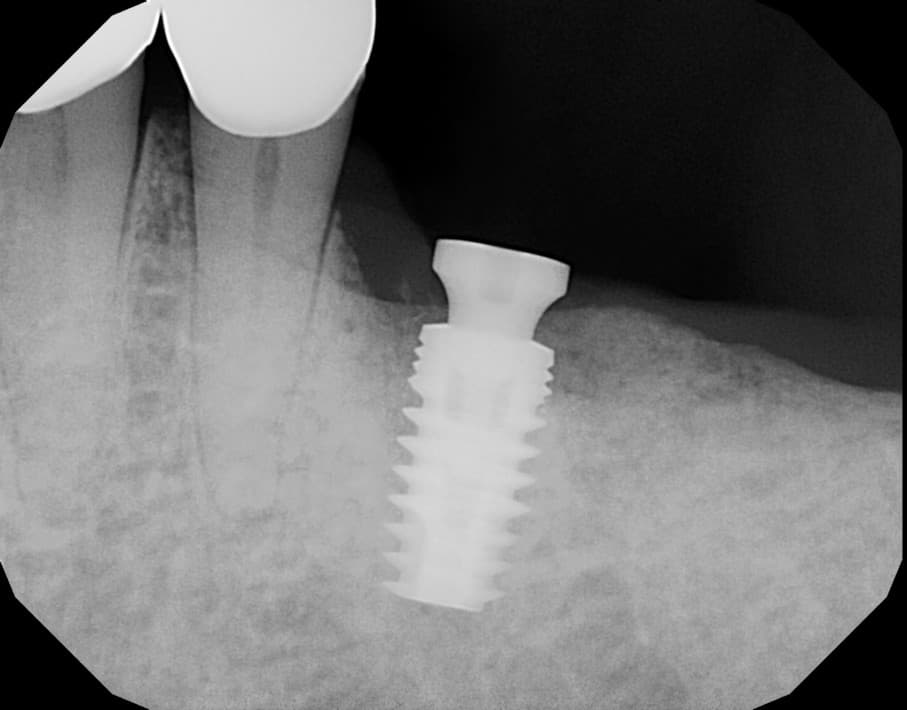
A dental implant replaces the tooth at the root: a titanium post is placed in the jawbone and topped with a custom crown, creating a freestanding replacement that doesn't touch the neighboring teeth. A dental bridge, by contrast, spans the gap by placing crowns on the two adjacent teeth and suspending a replacement tooth between them — so it relies on those neighbors for support.
That difference drives most of the trade-offs. To place a traditional bridge, the two healthy teeth on either side of the gap must be filed down to hold crowns, permanently altering otherwise healthy teeth. An implant leaves the neighbors untouched. This is often the deciding factor for patients whose adjacent teeth are healthy and who don't want to compromise them.
Bone health is another major difference. An implant's root stimulates the jawbone the way a natural tooth does, preventing the bone loss that follows tooth loss. A bridge sits above the gum and does nothing for the bone underneath, so the ridge can continue to shrink over time. Over the long term, that bone preservation is one of the implant's biggest advantages.
Where bridges win is speed and upfront cost. A bridge is typically completed in two to three weeks, costs less initially, and involves no surgery — appealing if you need a faster fix or the neighboring teeth already need crowns anyway. An implant costs more upfront and takes longer, often a few months from placement to final crown, but it usually lasts far longer: bridges often need replacement every 10 to 15 years, while implants can last decades or a lifetime with good care. Factoring in replacements, an implant is frequently the more economical choice over time.
Candidacy matters too. Implants require adequate bone and healthy gums, though bone grafting can often make treatment possible when bone is lacking. Bridges are a good alternative for patients who aren't implant candidates due to certain health conditions, or who need a quicker, lower-upfront-cost solution. There's no one-size-fits-all answer — it genuinely depends on your mouth and your goals.
At our Plano practice, Dr. Patel will evaluate the gap, the neighboring teeth, and your bone, then walk you through both options honestly — including which he'd recommend for your specific case and why. Call (972) 867-5185 or book online to schedule a consultation. We serve Plano, Allen, Frisco, McKinney, Richardson, and the surrounding DFW area.
Related Services


Keep Reading
How Much Do Dental Implants Cost in Plano, TX? (2026 Guide)
How much do dental implants cost in Plano? A 2026 breakdown — single-tooth, multiple-teeth, and full-arch pricing, what drives the cost, insurance and FSA/HSA, and financing.
Read MoreDental Implants vs. Dentures: Which Is Right for You?
Wondering whether dental implants or dentures are right for you? An honest breakdown of the costs, benefits, and candidacy for both options so you can make the best decision for your smile.
Read MoreDo You Need a Bone Graft Before Dental Implants?
Told you don't have enough bone for implants? What bone grafting and ridge augmentation are, who needs them, what the process involves, and how they make implants possible.
Read MoreHave Questions About Your Smile?
Schedule a consultation with Dr. Patel to discuss your options.